

“This is such a great job” – Mikael, 22, bus driver
Video: Mikael Salmi – Hyppää kyytiin
Mikael Salmi is a 22-year-old bus driver who, among other things, drives the HJK team. His story is full of surprises, strokes of luck and genuine enthusiasm for the job. “This is such a great job, and I really love it,” he sums up.
How do you end up driving for HJK?
Mikael’s story started in the army, when the company’s managing director sent him a message: “Hey, fancy driving HJK next season?” Mikael was baffled but said yes straight away.
The promise to keep it secret didn’t quite work out. “My best mate was in my room in the barracks, a massive HJK fan,” Mikael says, laughing. His mate found out first, then his mate’s mum, then a few more people. “The statute of limitations is up by now,” Mikael jokes.
The best moment, he says, was when Alexander Ring came over and handed him a genuine match shirt. “I was just like, what on earth, thank you so much. A real shirt, actually worn in a match.”
What’s it like being a bus driver?
Being a bus driver is about a lot more than just driving. It’s about being responsible for passengers, managing timetables and constantly interacting with people. Every day is different, because the passengers, routes and situations all change.
For Mikael, the job also includes team transport, which brings its own quirks. But the basic idea is the same for every bus driver: you’re responsible for getting people where they’re going safely.
A young professional
Mikael is only 22, but he already has a clear profession and a stable career. That’s the strength of the transport and logistics sector: you can get into the industry quickly, and there’s responsible work available even when you’re young. You don’t have to study for years before you get to do the real thing.
You can take the D-category driving licence for bus drivers at a vocational college, and there are jobs available all over Finland. Operators constantly need new drivers.
Frequently asked questions
How old do you have to be to become a bus driver?
You can take the D-category driving licence at 21, but with professional competence (CPC) training you can start at 18 with a restricted driving permit. It’s worth starting your studies in good time.
What training does a bus driver need?
You’ll need a D-category driving licence and professional competence (CPC). Training is available at vocational colleges. Studies typically take around 3 years if completed as a full qualification.
Are there enough bus drivers?
No, there aren’t. The driver shortage particularly affects bus services. The industry has good employment prospects, and new drivers are constantly needed.
Is the job demanding?
The job calls for concentration and a sense of responsibility, but it’s also rewarding. Mikael himself describes his job as “great work”. Shifts vary, and there are regular days off.
Want to give it a try?
If Mikael’s story interests you, a TET placement in the transport and logistics sector is a good place to start. You can follow a bus driver’s day up close and see whether the work feels right for you.
Find a TET placement and hop on board. You’ll find more stories from professionals in the videos.
Muita kiinnostavia artikkeleita
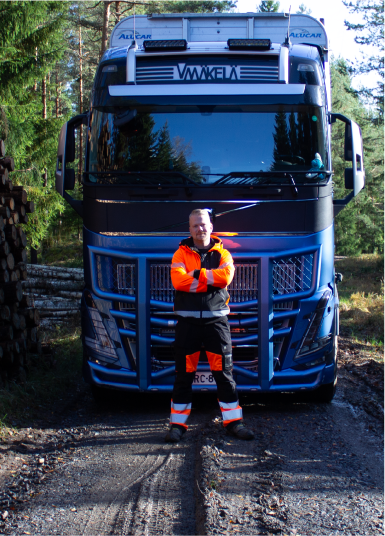
How to organise a successful TET placement at a transport and logistics company? A practical guide for employers, from induction to safety.

What is a TET work-experience day like in transport and logistics? Explore varied TET placements and hear what professionals say about their jobs.

How do you become a professional in transport and logistics? Read about training paths, driving licences and professional competence.